No. 02
Coasts
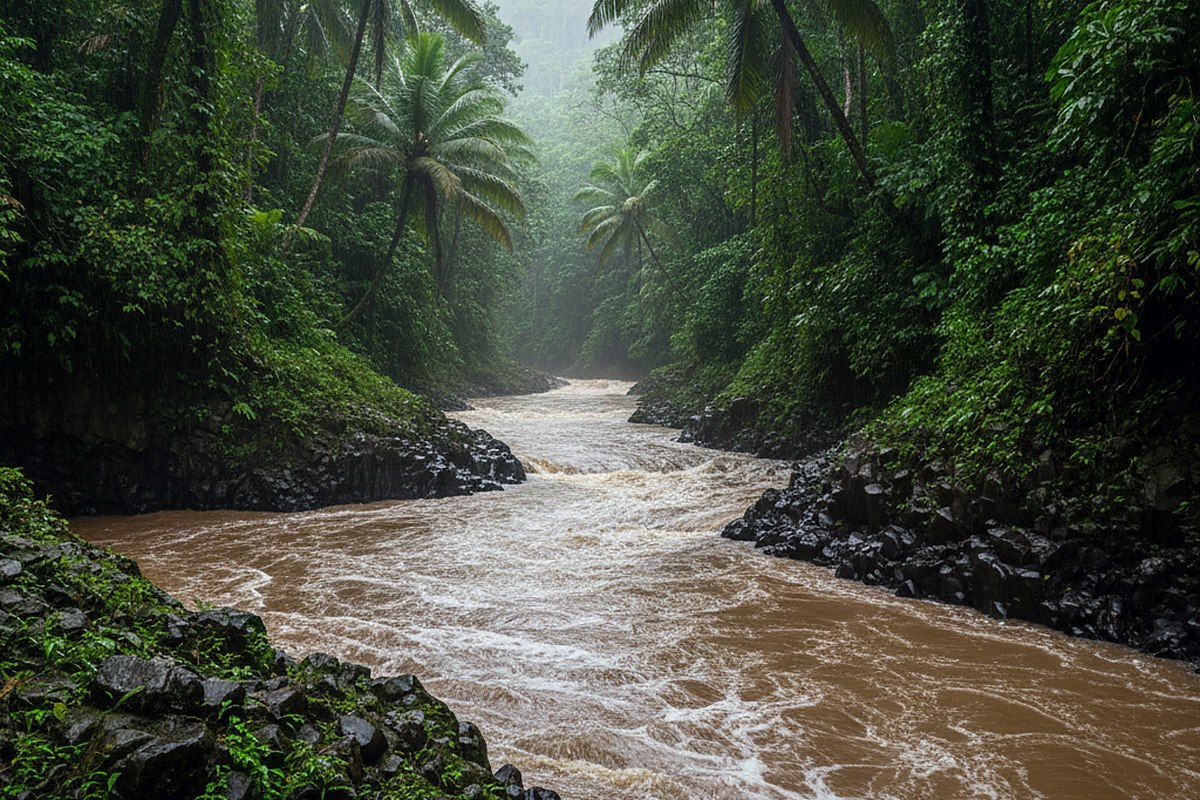
Hilo in the Wet Season, and Why I Stopped Apologising for It
Nine days on the rain side of Hawaii Island in February, where the forecast is always the same and the town has arranged its whole life around that fact.
Read the story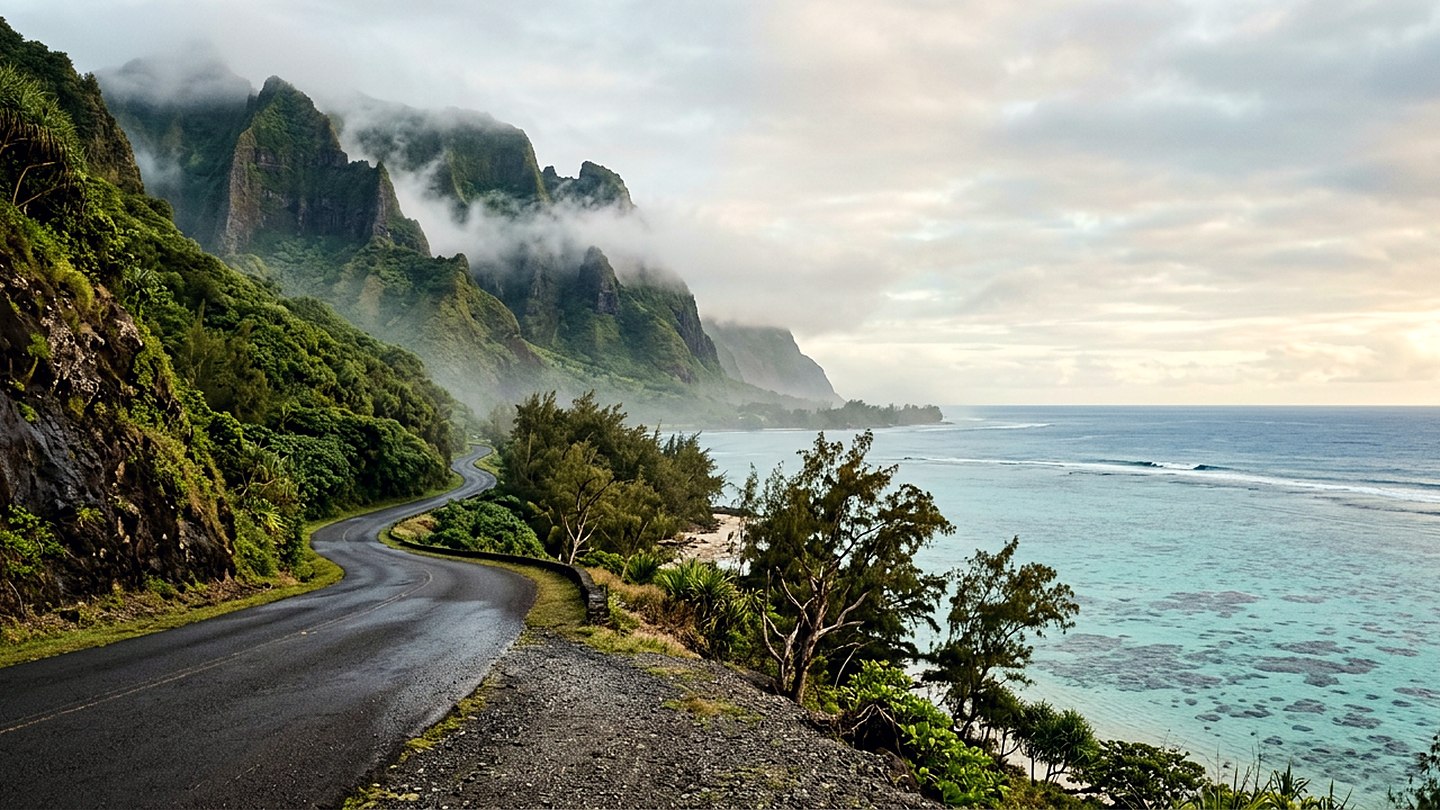
Coasts
Two days on the wet side of the island with no reservations and no schedule, learning that the road is the destination and every pullout is the itinerary.
Read the story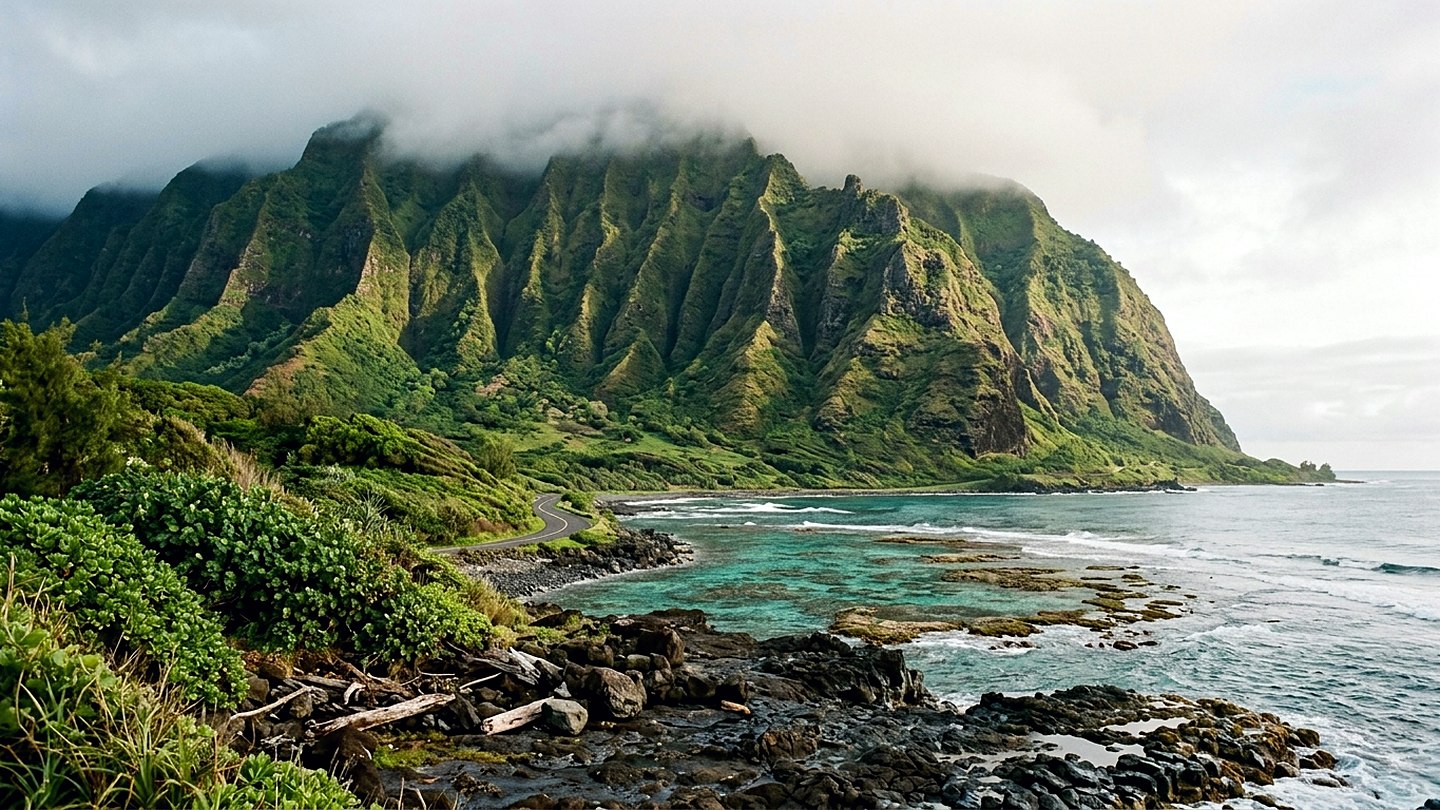
Coasts
I had driven this coast before, in ninety minutes, with the air conditioning on and somewhere to be at the other end, and I remembered almost none of it. In June I gave the same road two days and stopped whenever anything asked me to. That is the whole method and it is not much of one, but the trip that came out of it is the reason this journal exists in its current shape.
What changed was not the coast. It was the decision to stop treating a road as the distance between two places. Mountains early, reef flats late morning, a long unearned sit through the afternoon, and back out for the last hour of light. The story runs long because the coast earns the room, and it ends with the practical half: where the pullouts are worth using, why the tide table matters more than any opening time, and what I would do differently with a third day.
Read the windward roadThe log
Five pieces so far. Three of them are places, worked slowly and photographed on the same trip. Two are methods, written down because I kept being asked and because writing a thing down is how I find out whether I actually believe it.
No. 02
Coasts
Nine days on the rain side of Hawaii Island in February, where the forecast is always the same and the town has arranged its whole life around that fact.
Read the story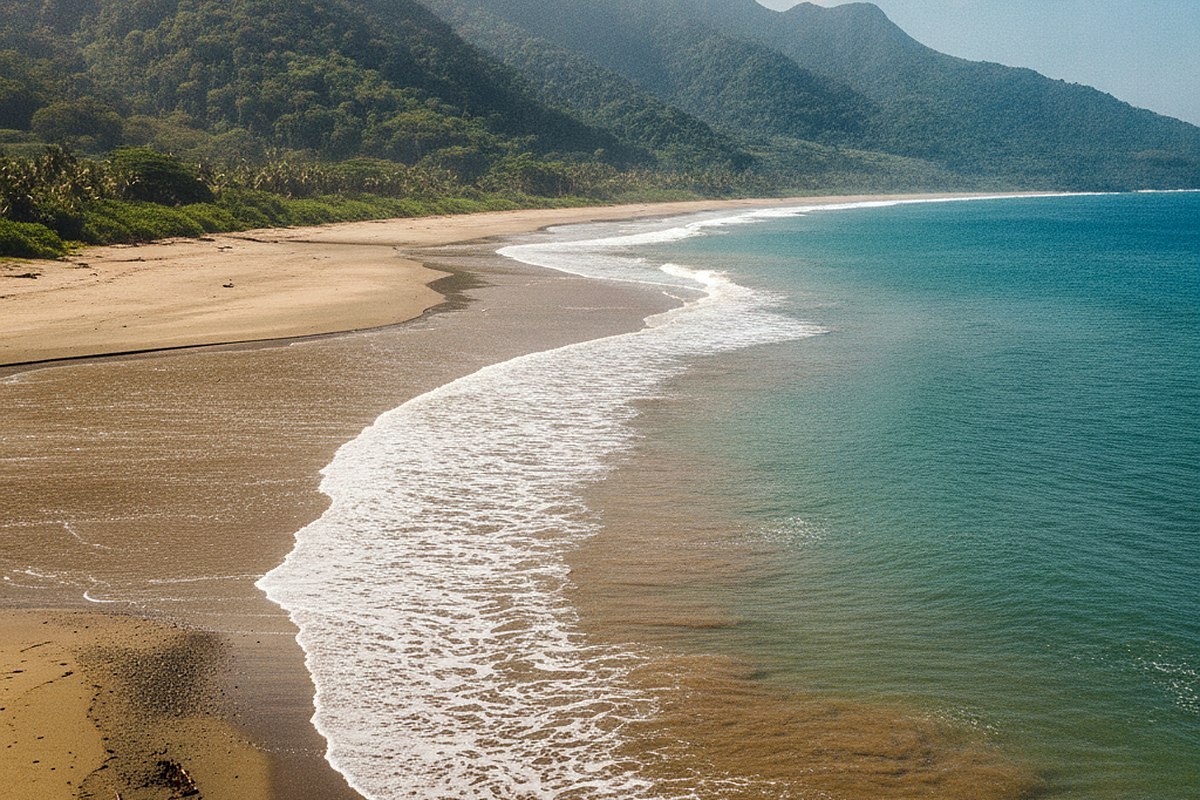
No. 03
Coasts
Roads reopening one at a time, rivers the color of milky tea, and a coastline that spends the days after heavy weather quietly putting itself back together.
Read the story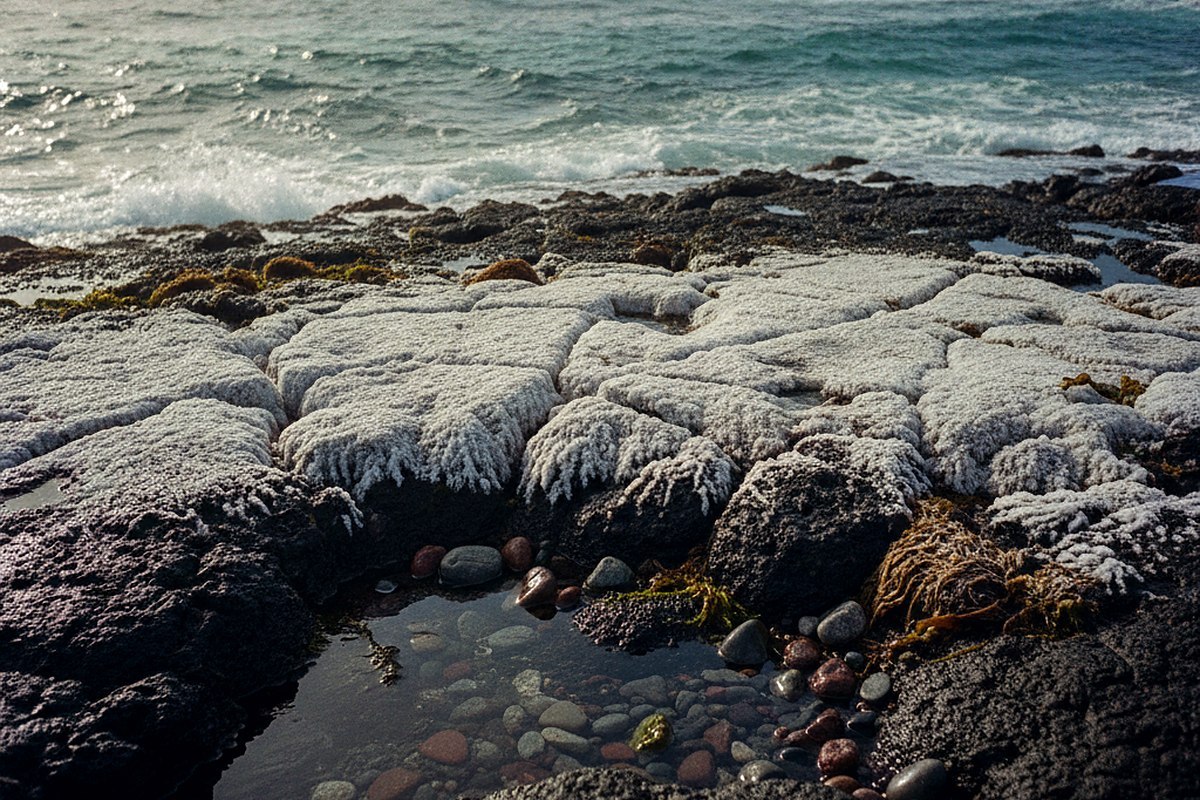
No. 04
Field notes
Fifteen minutes of standing still and paying attention will tell you more about a piece of coast than an hour of walking around on it, and it costs nothing at all.
Read the story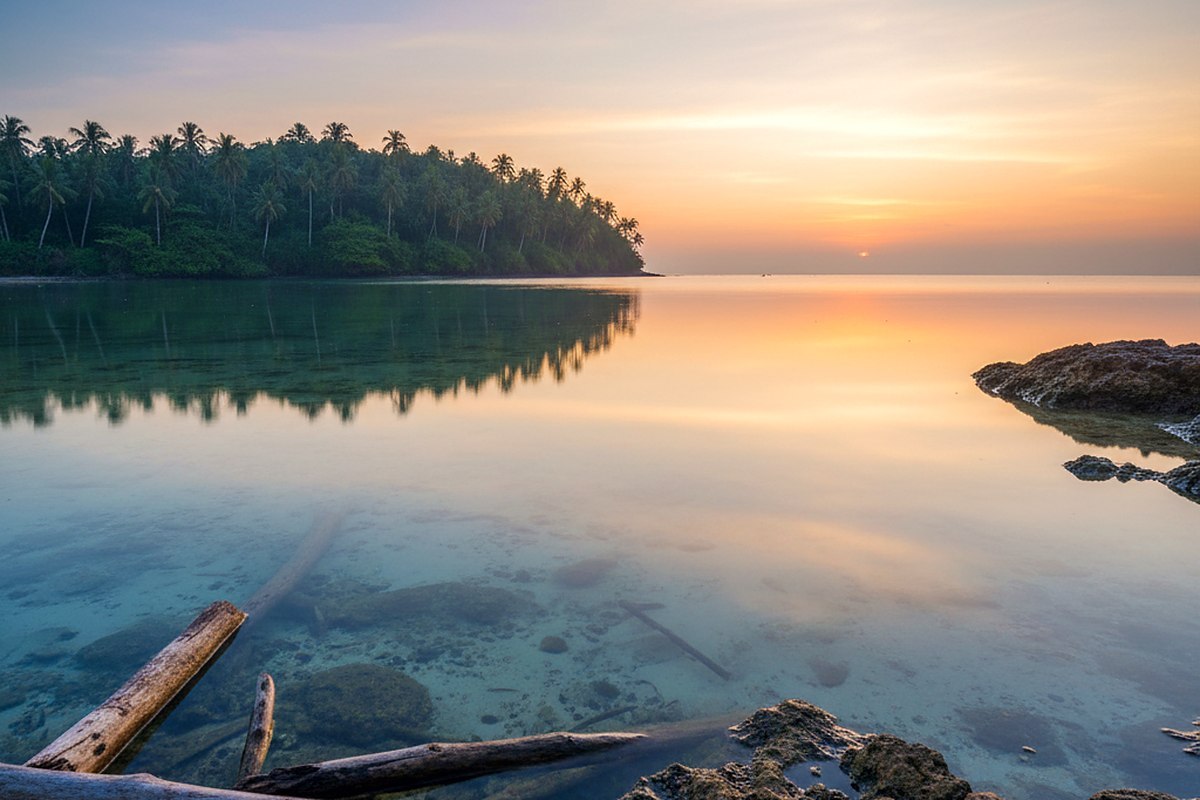
No. 05
Field notes
One subject, one stretch of coast, thirteen hours, and a set of frames that are only interesting because the water was never doing the same thing twice.
Read the storyFrames
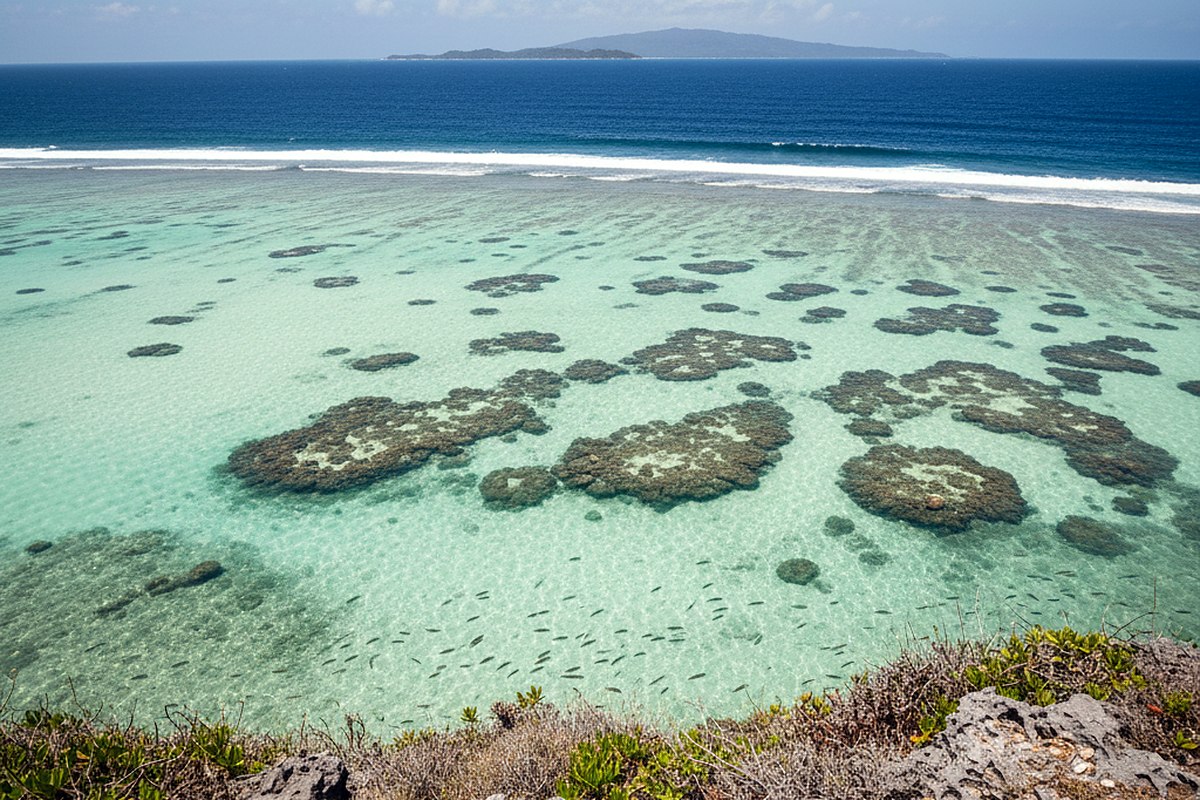
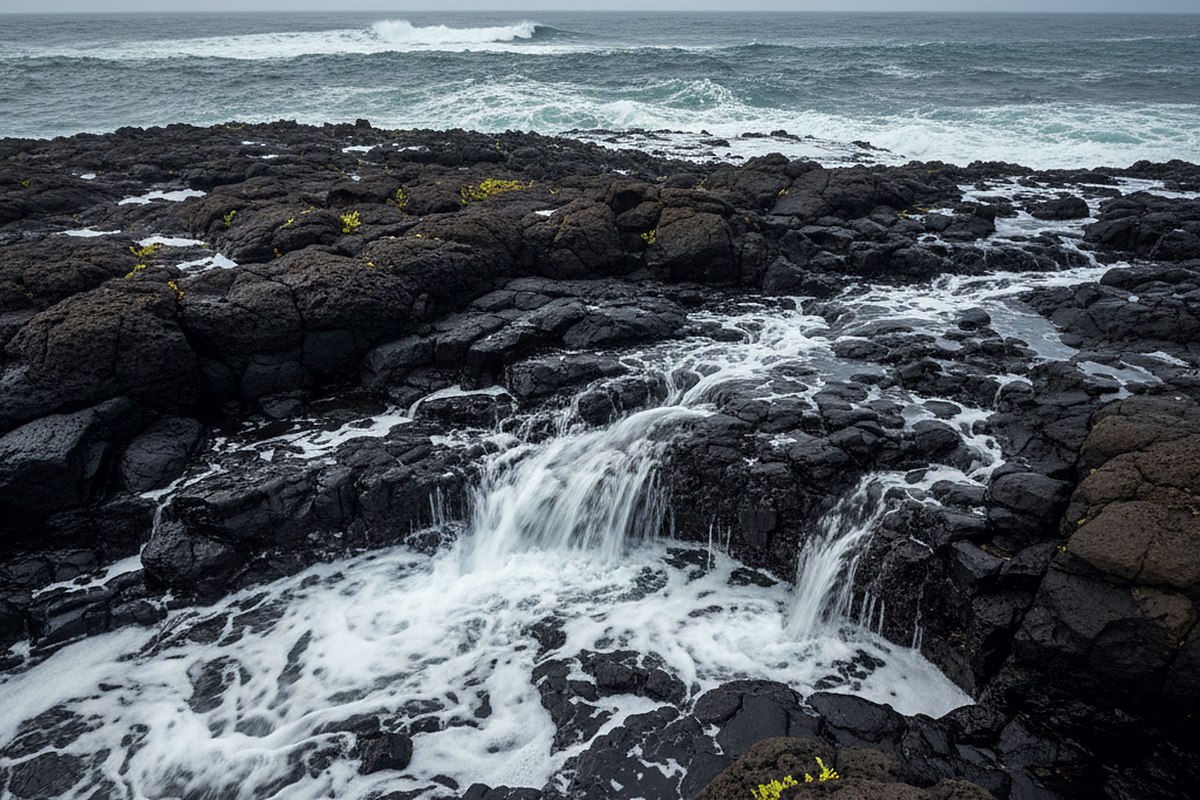
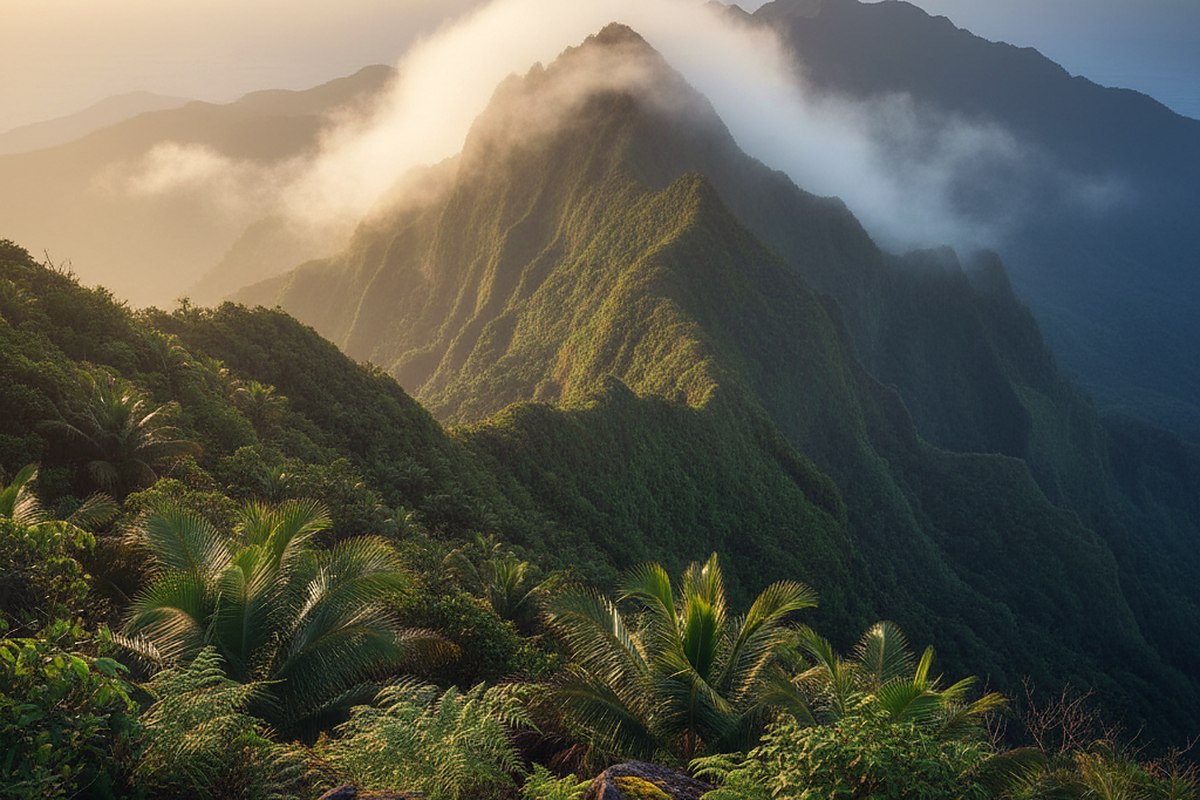
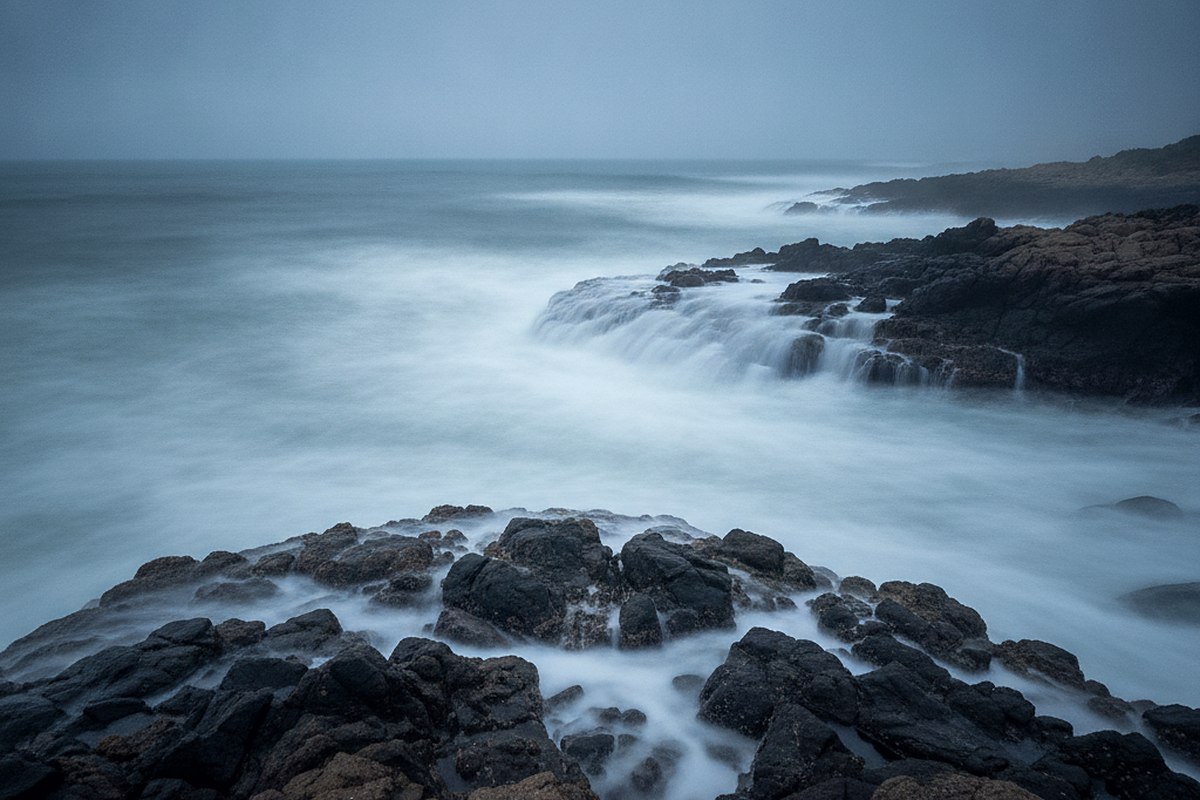
Photographs from the last two years of coastal work, printed large here and left without captions on purpose. Every one of them was made for this journal on a trip that produced a story.
The Windward Note
A short note goes out when a story is finished, which works out to something like once every six weeks. It carries the first paragraph, two or three frames that did not make the piece, and nothing else at all.
One note per story and nothing between them. Every note carries a working way out, and the Privacy Policy sets out the retention period for an address and who is able to read it.
Before you write
Slow, coastal, and repetitive on purpose. Knowing one bay well enough to predict what it does at four in the afternoon is worth more to me than six islands collected in ten days and forgotten by November. In practice that means long stays in small places, a great deal of standing still, and mornings that start before anything opens. The same stretch of water also comes back more than once, in different seasons, since a shoreline in February and the same shoreline in August are two separate subjects wearing one name. None of that is offered as advice. It is the shape this particular working habit has taken over fifteen years.
Roughly every six weeks, with the caveat that a piece appears on the day it is finished and not before. Words are the quick half of the job. Cutting four hundred frames to nineteen and then grading those nineteen back toward the light that was actually there absorbs far more of the calendar. Most coastal pieces wait about a month after the trip, and that delay has improved the writing every single time rather than merely postponing it.
No. There is no booking, no reservation, no checkout and no fee anywhere on these pages, and this desk acts for nobody who does that kind of work. What exists here is a journal: long pieces, photographs, and the field notes kept for private use before they were ever published. No airline, hotel or booking platform is connected to it, no payment has ever produced a mention, and no outside party reads a draft ahead of a reader. Errors can be reported to [email protected], and any correction is printed above the first paragraph of the affected piece with its date attached.

The desk
My name is Marin Krueger. Every word and every photograph on this site is mine. I live in Honolulu, which means the ocean is not a holiday for me, it is the thing at the end of the street, and I suspect that is why the writing keeps returning to the same narrow strip where land stops. Fifteen years of this has left me with one strong opinion: a coast will show you what it does if you stand in front of it long enough, and almost nobody stands still long enough.
Honolulu is the only place on this site where I am not a visitor, and the stories say so wherever it matters. What replaces local authority is a careful record of what a coast was doing across the days I stood in front of it, photographed on the same trip and never edited into some other location. The journal is published by Krueger Editions LLC, a Hawaii limited liability company, which keeps the paperwork of a one person operation tidy and answerable and changes nothing at all about how the work gets done.
The longer account